Please ensure Javascript is enabled for purposes of website accessibility

Ask a Naturalist

Understand the world around you We've got answers

Ever wondered who left that footprint? What kind of berries are those? Or why is that White-tailed Deer white all over? Look no further than your local naturalists, the people at your Geauga Park District whose job it is to help you understand the natural world around you.


Use the form below to submit your question – ideally with a photo (if available), description of sighting (including size) and location of sighting (somewhere in Northeast Ohio) – and you’ll receive an email when a naturalist responds.

Please note that while this form does collect your name and contact information, those items will not be posted with your question, only used in case we need to contact you for additional details.

What have other people been asking lately? Scroll below the form and enjoy some other naturalist Q&As on us!
Ask a Naturalist

Step 1 of 2 - Sighting Details

  • Drop files here or
    Accepted file types: jpg, png, gif, Max. file size: 2 MB, Max. files: 5.
    • How long till our House Wrens fledge?

      Question

      What is the interval between broods for House wrens?
      I have wrens nesting in an A/C duct. I want to add a grid to keep them out but only after this brood leaves.

      Naturalist's Response

      After hatching, House Wrens will take about 14 to 16 days to fledge (leave the nest).

      I would check after that many days just to be sure they are gone before installing the grid to prevent them from returning.

      Thanks for asking!

      -Naturalist Denise Wolfe

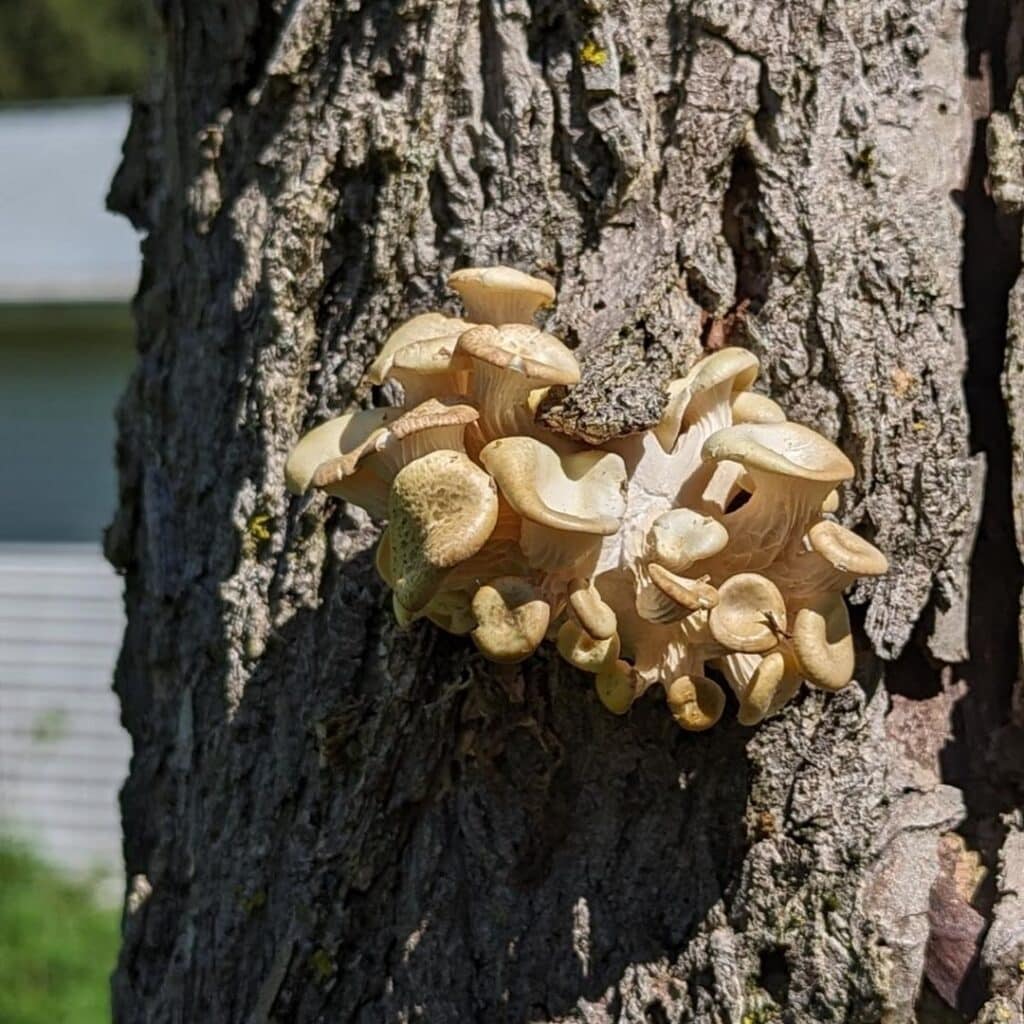
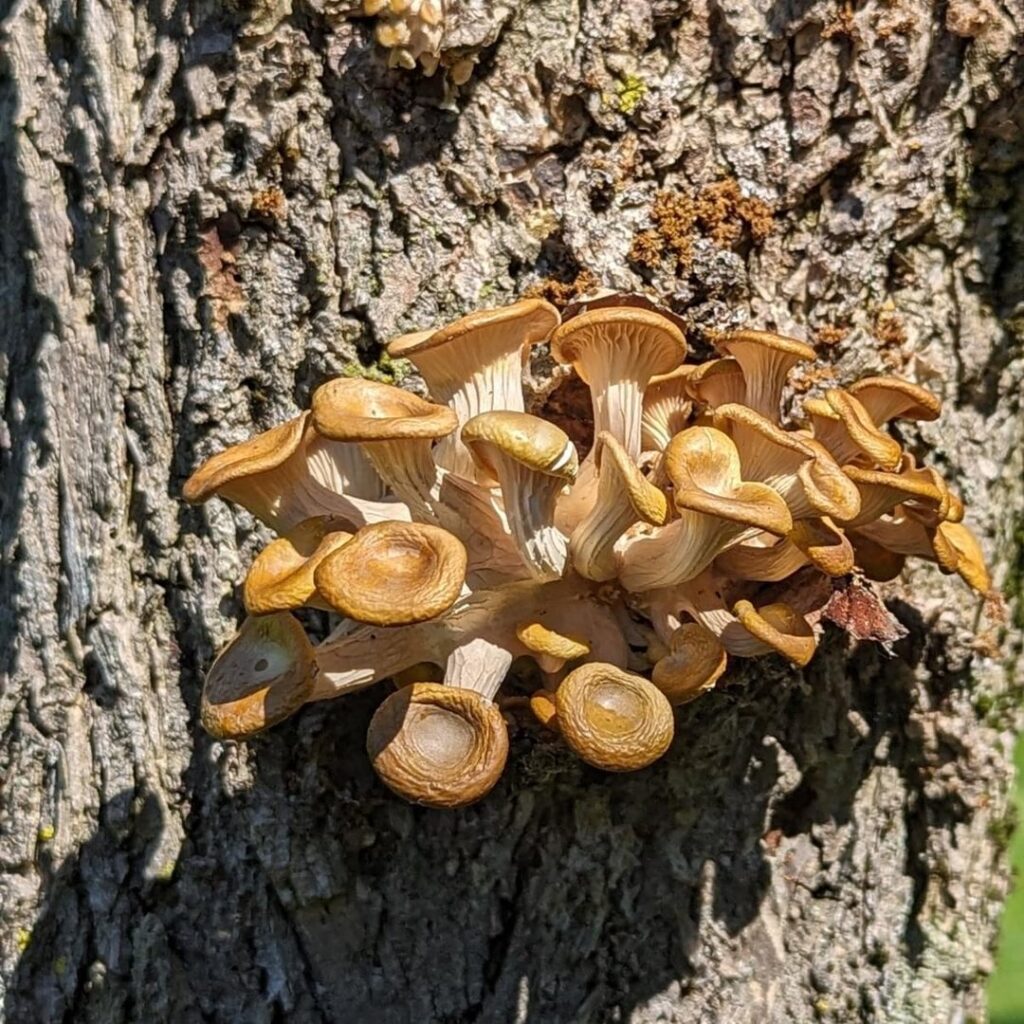
    • Fungi IDs?

      Question

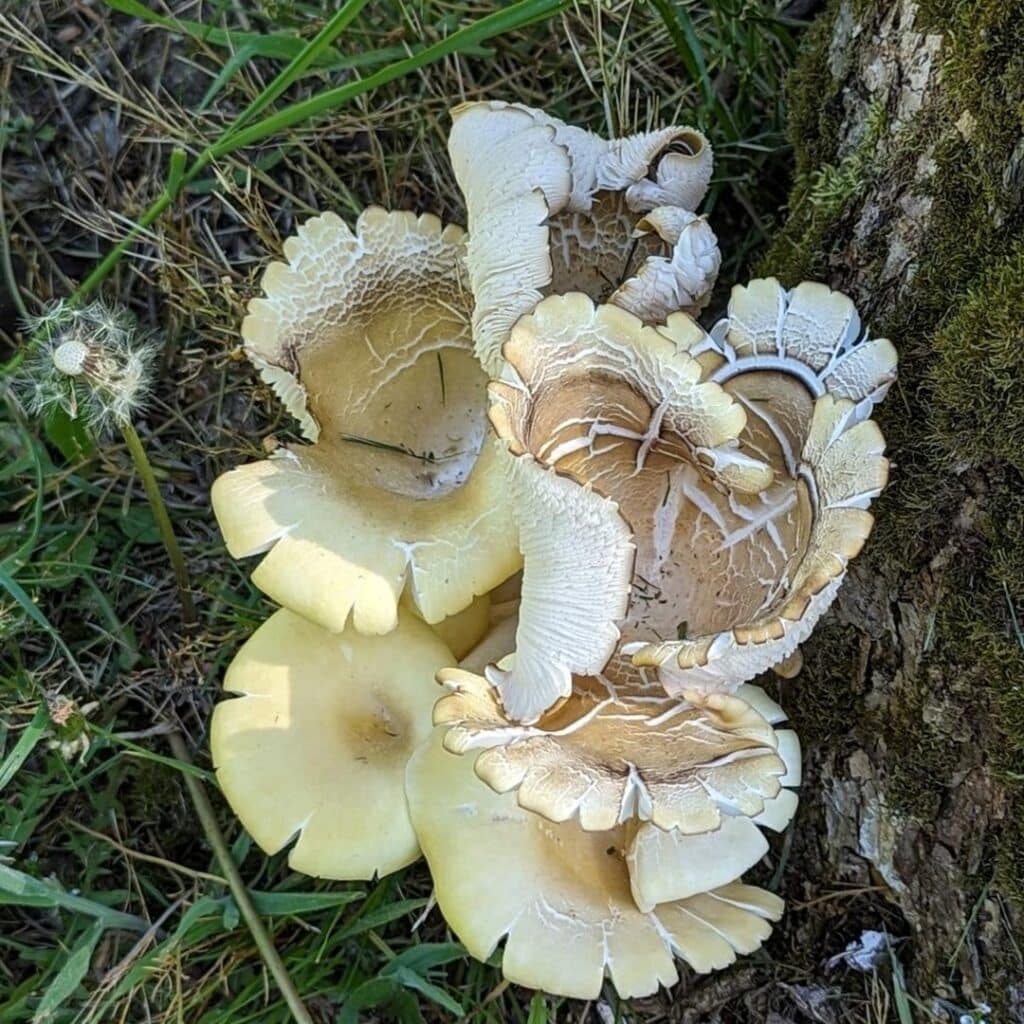
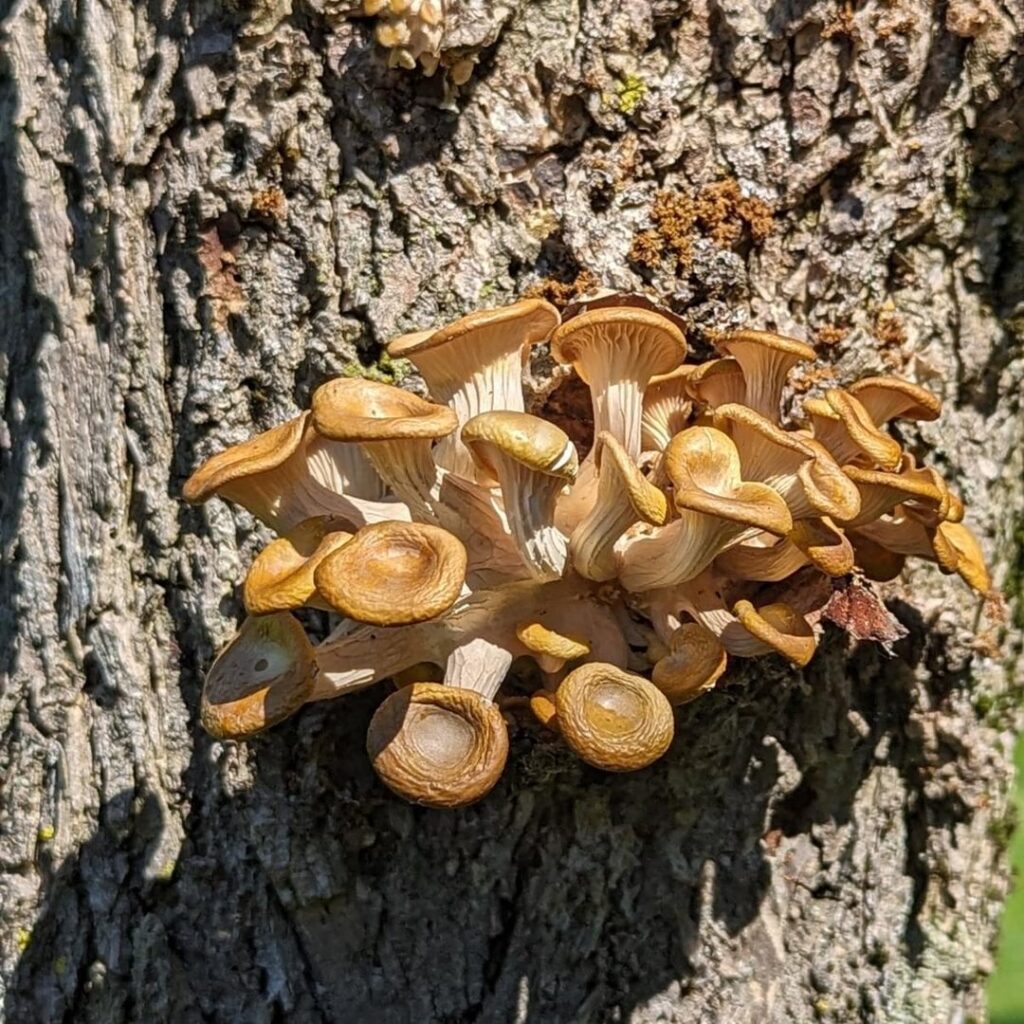
      Fungi at Claridon Woodlands 5/7/24
      ID please. Oops - one duplicate.
      Thanks

      Naturalist's Response

      The top picture of the fungi growing on the tree trunk is Dryad’s saddle. The other one may be platterful mushrooms.

      -Naturalist Linda Gilbert

    • How to protect this Northern Bobwhite I found?

      Question

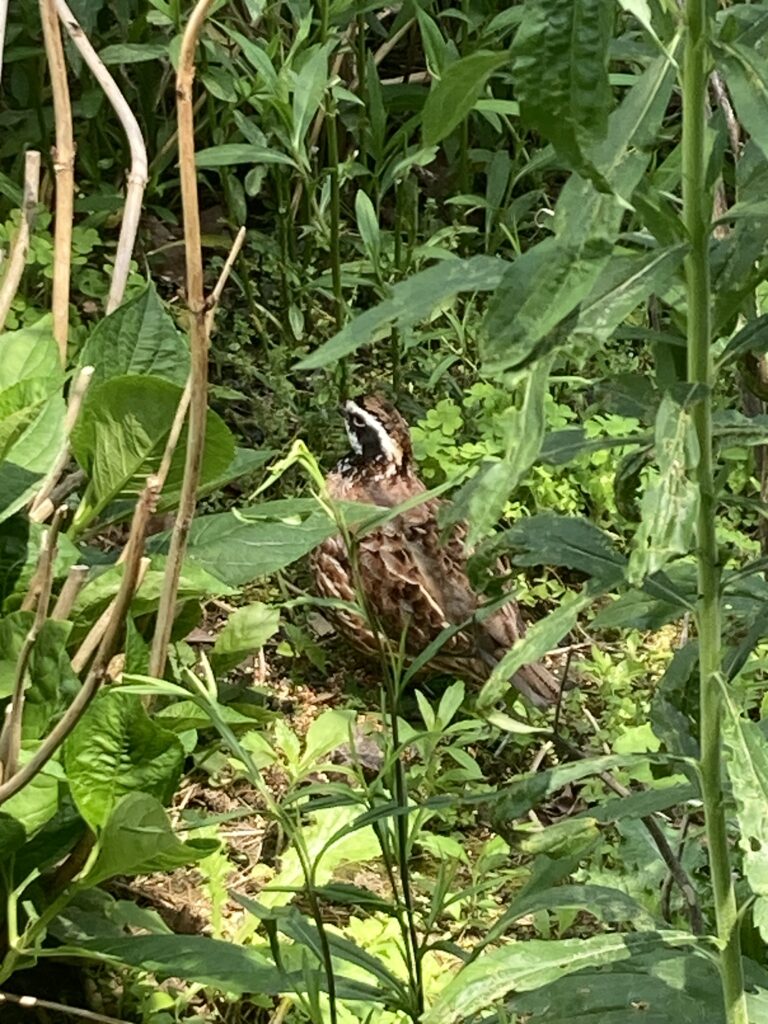
      I have a Northern Bobwhite and i saw that is was threatened, what should i do. I have cats and I’m afraid they might eat it, it is not flying

      Naturalist's Response

      What you likely have is a bobwhite that has escaped from a local game farm. Unfortunately, although they are native to Ohio, there are no known natural populations of bobwhites in Northeast Ohio. Wild populations of bobwhites have decreased dramatically in Ohio over the years, mostly due to habitat loss.

      Your concern about the bobwhite being eaten by your cats is valid! I recommend that you keep your cats inside at least until the bird leaves the area. As I’m sure you are aware, cats pose a major threat to wild bird populations, so we always recommend keeping your cats inside if at all possible.

      Thanks so much for your concern!

      -Chief Naturalist John Kolar

    • Animal track ID?

      Question

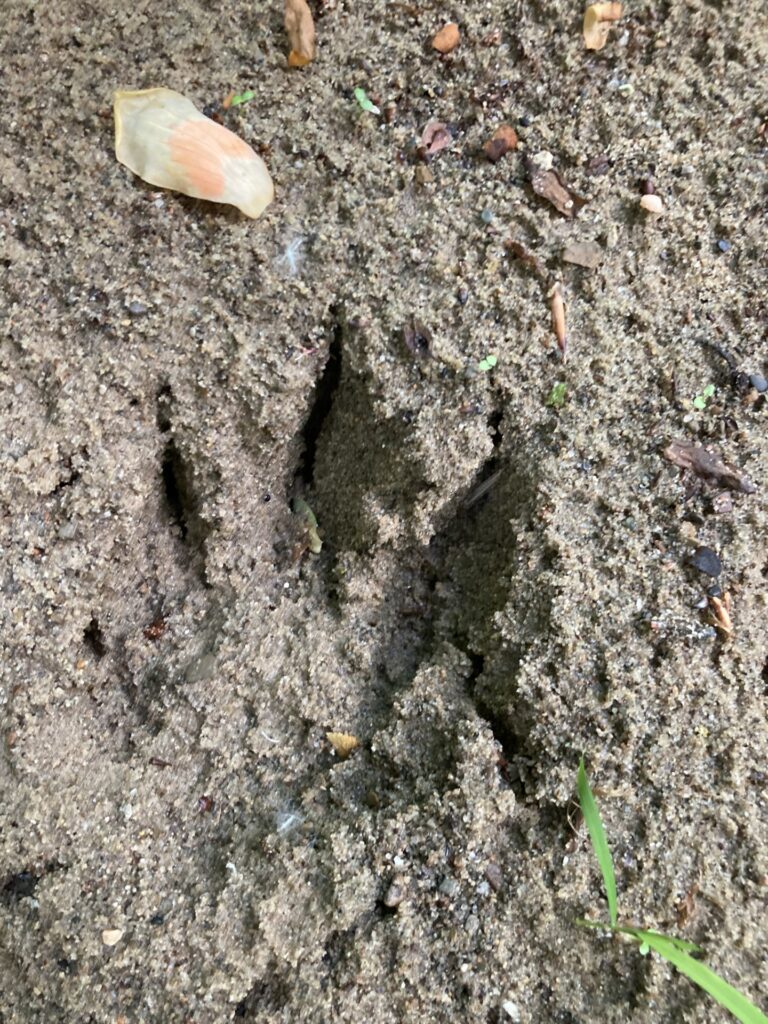
      What animal left this print? Thank you

      Naturalist's Response

      Consensus from the naturalist staff is that this is a dog track. It looks like a large dog based on the petals next to it.

      The key identifying feature is its four toes with nail marks visible. Coyote tracks are a little different shape, more narrow or oval.

      -Naturalist Denise Wolfe

    • Big birds vs my senior cat?

      Question

      Our senior cat hangs out on our front lawn, but he never wanders, just likes to relax.

      Our question is, would turkey vultures or hawks attack?

      Sometimes we see them flying in groups of five and sometimes swooping down-
      But we don’t know what they are exactly… Either turkey vultures or hawks.
      Thank you

      Naturalist's Response

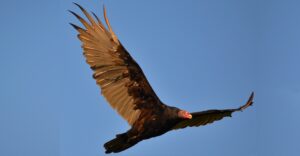
      A soaring turkey vulture

      [A soaring turkey vulture, photo by Jim Marquardt]

      Turkey Vultures are intimidatingly large birds, and they get up to some impressive aerial acrobatics, but have no fear: they aren’t after your cat!

      Instead, these birds almost exclusively feed on dead animals, which they primarily locate by smell. No matter how sleepy your cat is, unless it smells rotten, it won’t tempt a Turkey Vulture.

      Six turkey vultures feed on a dead deer.

      [Six turkey vultures feed on a dead deer, photo by Dan Best]

      Other birds of prey (such as large hawks and owls) have a healthy appetite for chickens and other backyard birds, and can sometimes prey on kittens. It’s very rare, and almost always involves baby animals that weigh less than three pounds or so, which is about the limit of what a predatory bird can carry. The heftier your cat is, the less it has to worry about raptors!

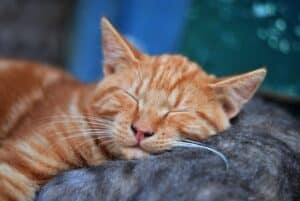
      Sleeping cat

      [A sleepy cat, via Pexels]

      But you don’t have to take my word for it. Because your concerns are shared by plenty of other pet owners, there have been lots of handy articles written about the same fears. Here’s a well-reasoned post from The Nature Conservancy about pets and raptors, and another article from the Cornell Lab Of Ornithology. If you want to spoil your cat, this article from the American Bird Conservancy has some handy tips on making a “catio” or other outdoor enclosure to help keep cats (and birds) safe. Enjoy!

      -Naturalist Chris Mentrek

    • Bird seen on my Ring camera?

      Question

      What kind of bird is this?
      https://youtu.be/FVPHvi-v8aQ
      (Video captured by my Ring camera)

      Naturalist's Response

      The bird on your Ring video is a Great Crested Flycatcher. It is one of our migratory birds that come up from South America and Mexico to nest in the eastern US.  You can find more information about it at this link.
      Thanks for sending the video! Pictures really are worth a thousand words!
      -Naturalist Linda Gilbert
    • Railroad bed at Swine Creek?

      Question

      Was looking at the map of Swine Creek Reservation. I see a section of the old B & O railroad bed that runs N.W. from the Valley Shelter to Bridge Rd. I do not see any trail designation and was wondering if it is scenic and if you ever schedule any hikes along there.

      Naturalist's Response

      This section is actually part of the old B&O Railroad, not the Interurban. The old railroad bed is not maintained and therefore not very accessible, though yes, naturalists will occasionally take a group on the old trail during a publicly programmed hike.

      -Chief Naturalist John Kolar

    • Bright yellow growth in my yard?

      Question

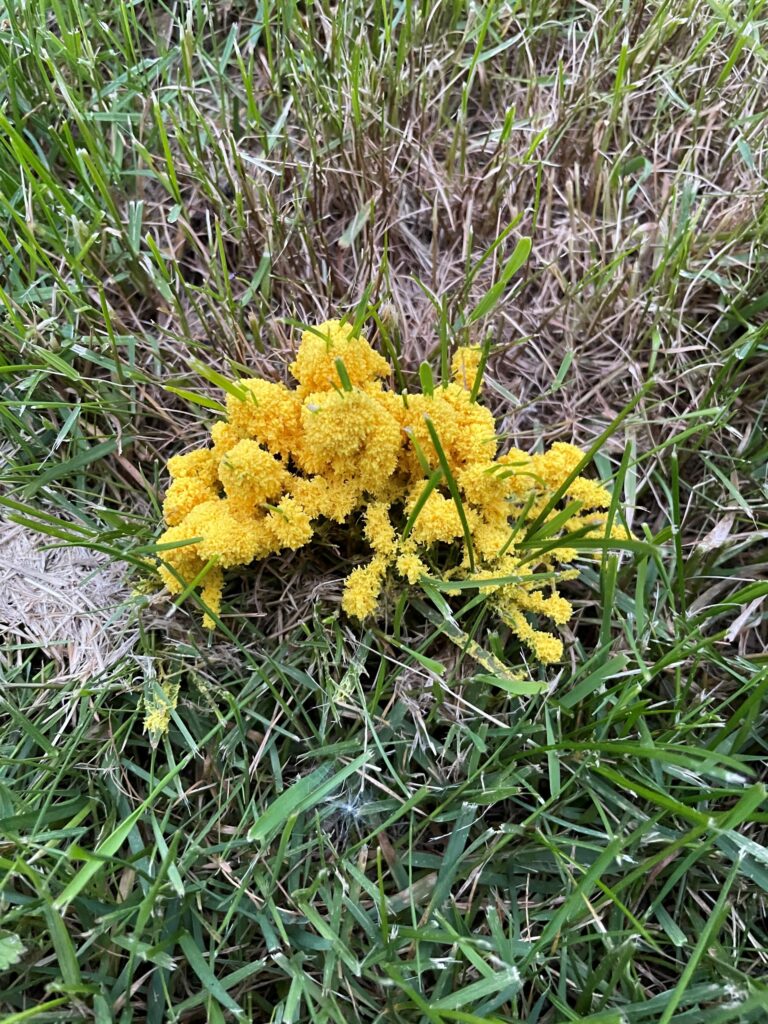
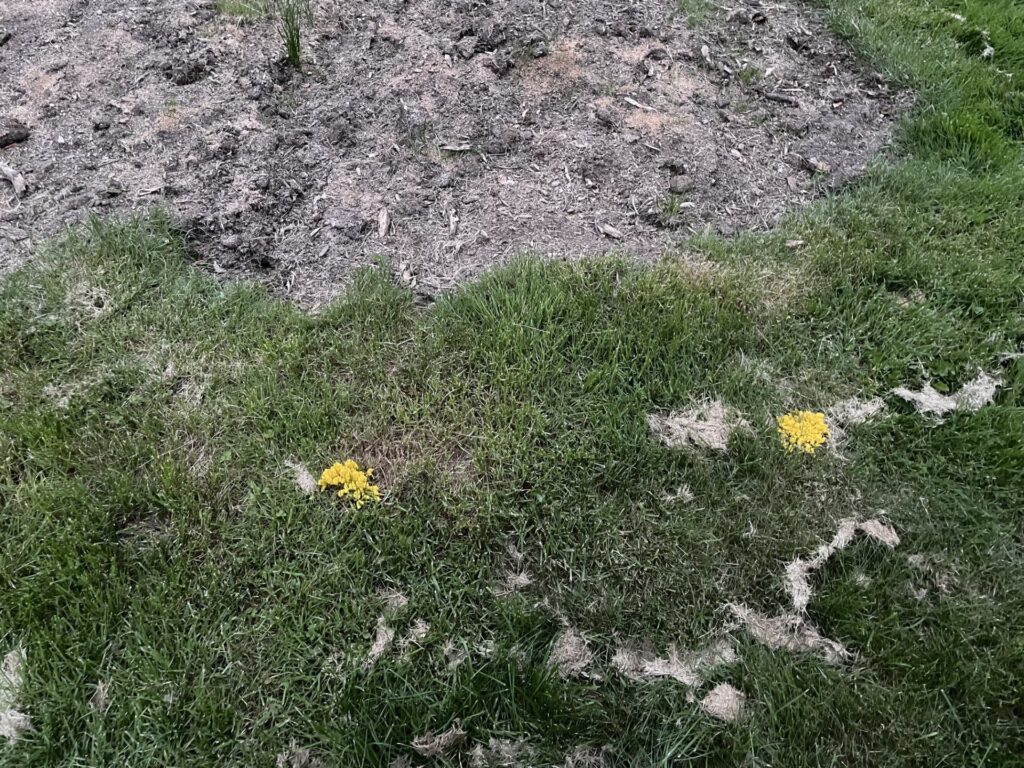
      We recently had a tree stump ground up in our yard. I am sending you photos of a bright yellow growth near the chips from the grinding. What am I seeing here?

      Naturalist's Response

      The slime mold in your photos, Fuligo septica, with the descriptive common names “dog vomit slime mold” or “scrambled egg slime,” is often found on mulch. It is noticeable because of its brilliant color, but do not worry, it is not harmful to humans, other animals or plants.

      This slime mold is not a fungus. Instead, it’s a group of single-celled amoeba-like organisms that ingest bacteria and other smaller organisms found on wood chips. Check out this link for more information.

      -Naturalist Dottie Drockton

    • Snake ID…and how to remove?

      Question

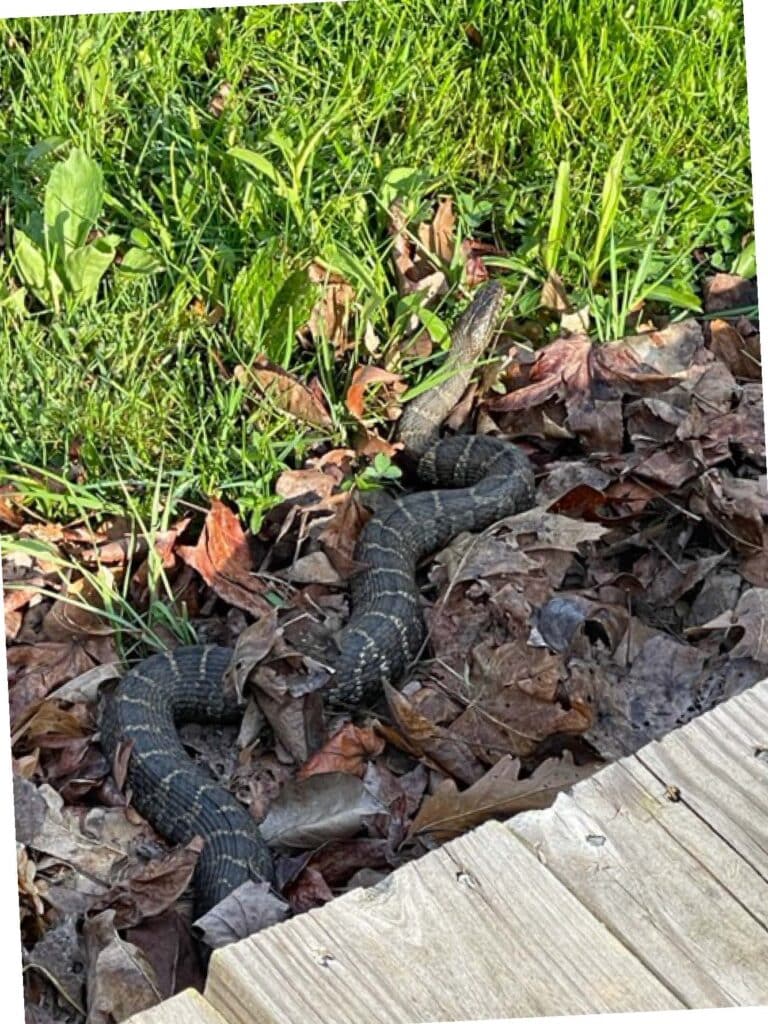
      Found this snake on my deck ramp today. There are 2 babies as well.
      Can you tell me what kind of snake it is? Also how I can get rid of them?

      Naturalist's Response

      What you have there is a harmless Northern Water Snake. Looks like a large female.

      Northern Water Snakes feed on fish and amphibians, and in turn, their babies are food for many predators: herons, hawks, raccoons and even large fish.

      There is really no effectual method of getting rid of snakes aside from making their habitat unsuitable, which in this case would mean eliminating any permanent water sources — not likely a practical solution. Just know that as long as you leave them alone, they will certainly leave you alone, too!

      -Naturalist Andy Avram

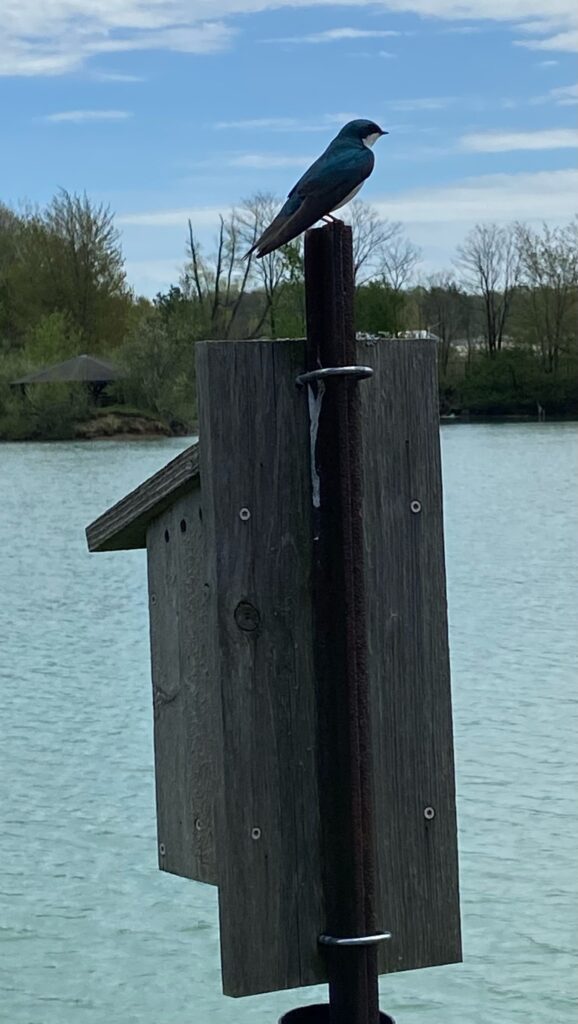
    • Purple Martin or Something Else?

      Question

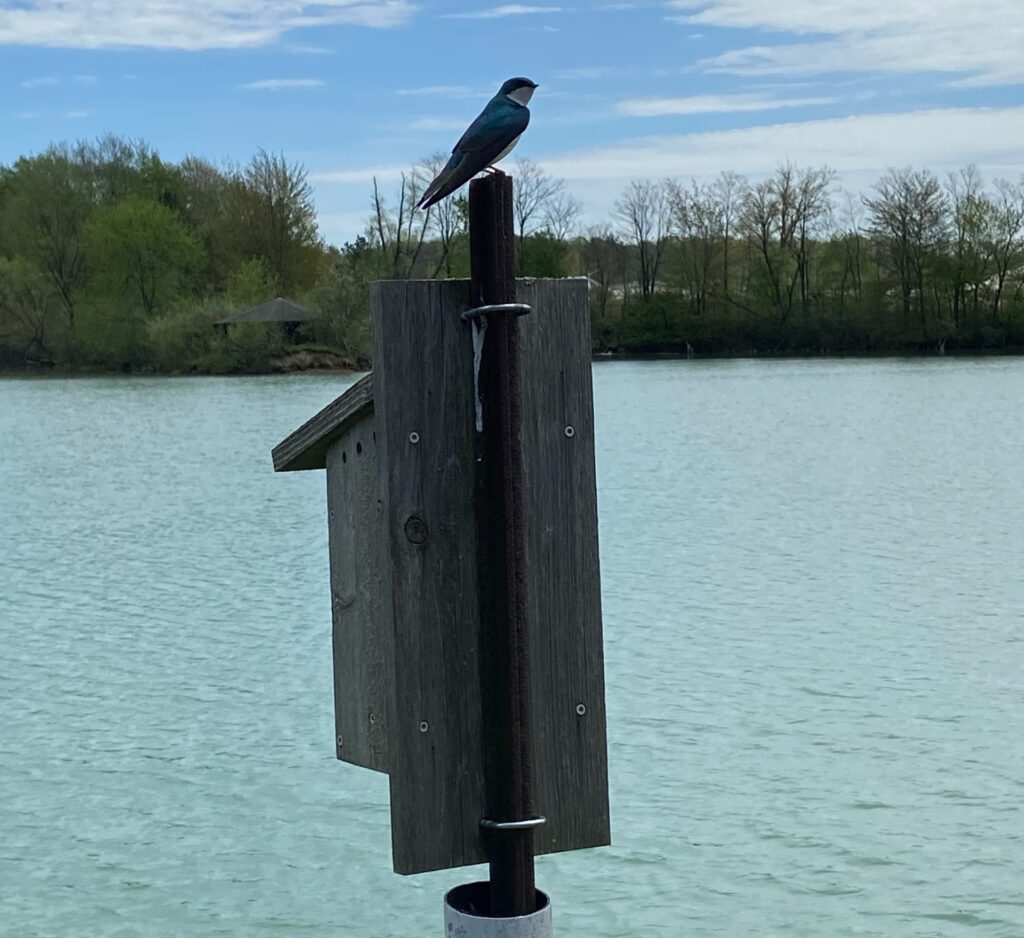
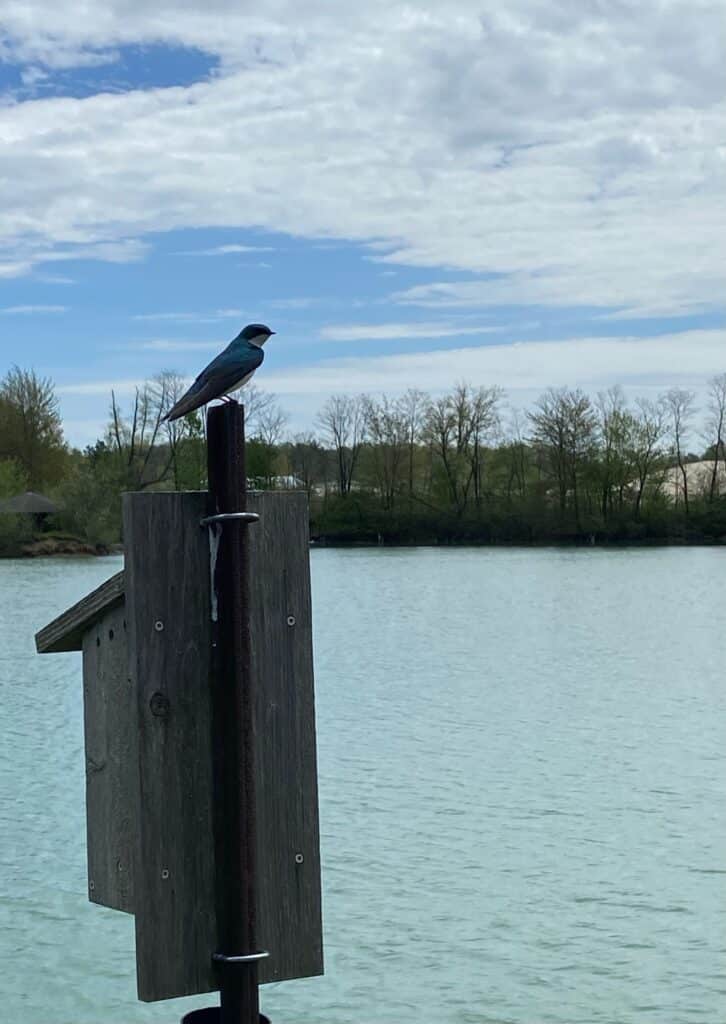
      Is this bird a Purple Martin? If not, can you ID?

      Naturalist's Response

      This is a Tree Swallow, an aerial acrobat that can be seen swooping and spiraling through the sky. These cavity-nesting birds return to the area each spring to take advantage of abundant insects for food. They can be seen in open areas such as meadows, often using nest boxes intended for the Eastern Bluebird, and have one nesting per year. If you put up a bluebird nest box, we recommend that you consider putting up two so that both the bluebirds and the Tree Swallows have a place to nest.

      Thanks for your question!

      -Naturalist Denise Wolfe